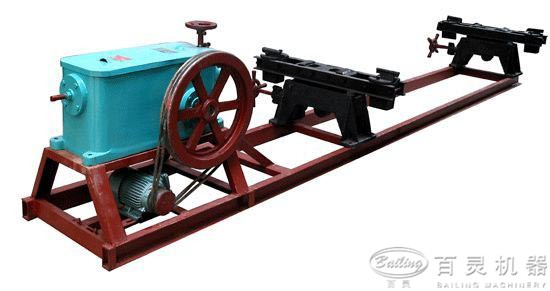
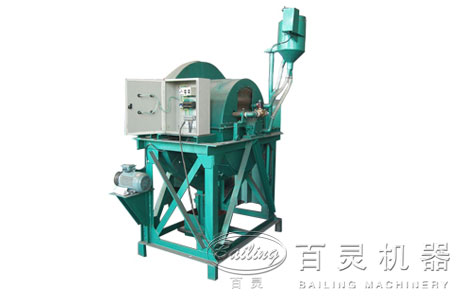
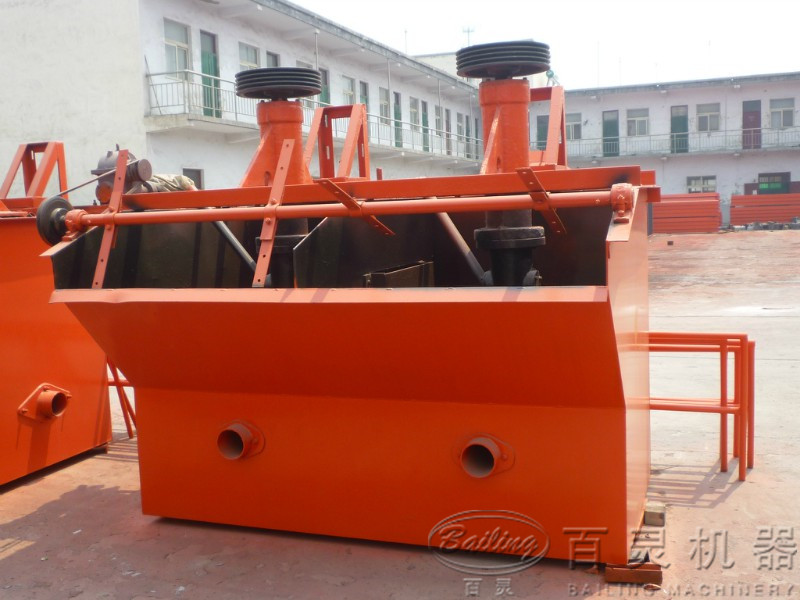
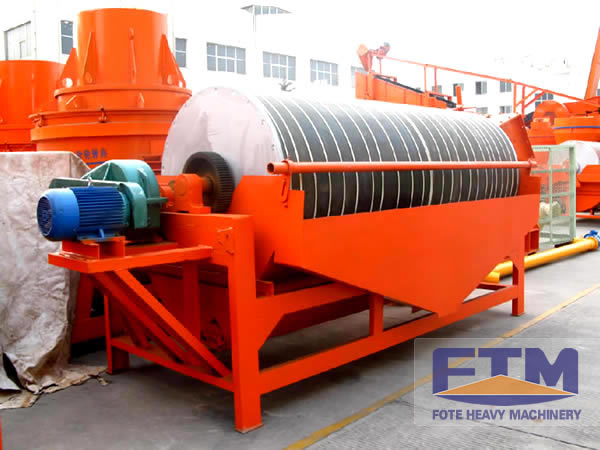
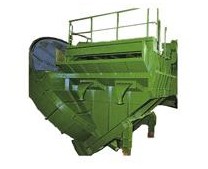
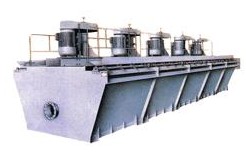
Mineral Separators
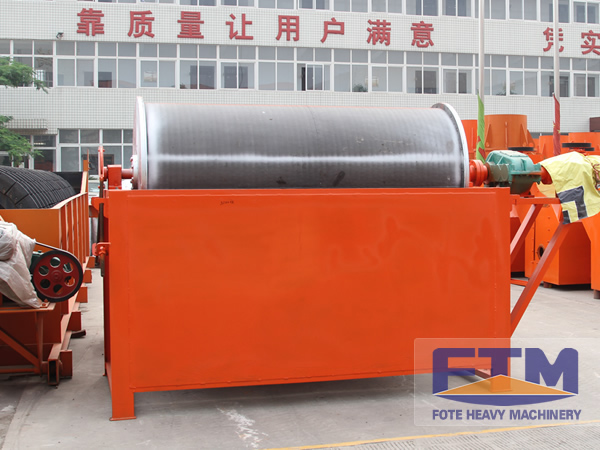
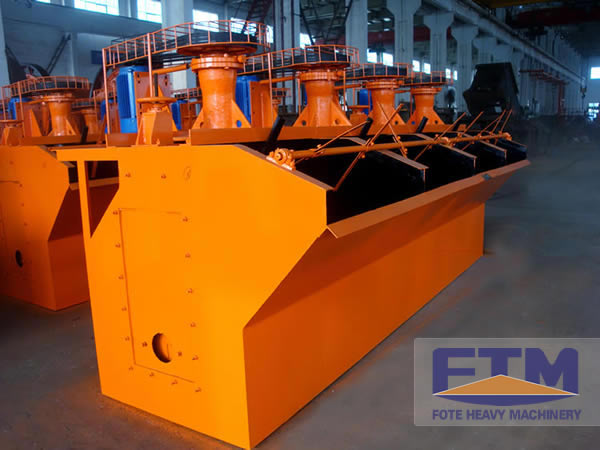
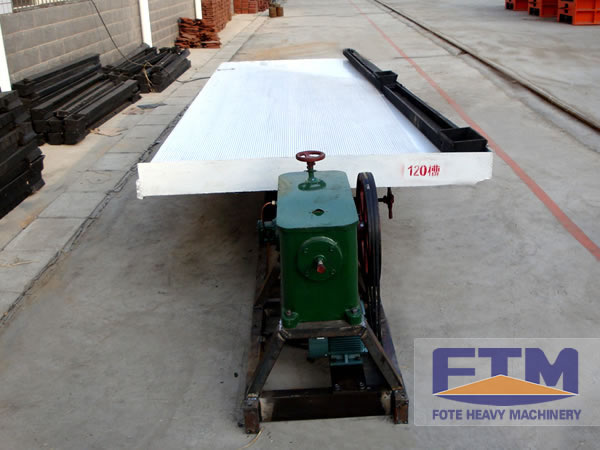
Source industrial-grade mineral separators from vetted suppliers and manufacturers. Designed for mining equipment distributors, procurement managers, and heavy machinery importers buying in volume. Find reliable factory partners for magnetic, gravity, and flotation separation equipment built to exact processing specifications.
Sourcing mineral separators directly from overseas manufacturers requires balancing high-throughput performance with long-term mechanical reliability. For mining equipment distributors and procurement managers, the challenge is not just finding a factory that can assemble the machinery, but verifying that their engineering tolerances, wear-part metallurgy, and motor components can withstand harsh, continuous processing environments.
Defining Core Equipment Specifications
When negotiating with manufacturers, vague specifications lead to underpowered equipment and high failure rates. You must clearly define the operational parameters of the separator based on the target ore and processing environment.
Critical Components to Specify
- Wear Liners and Surfaces: Specify the exact material for areas exposed to abrasive slurry. Polyurethane, high-chrome alloy, or rubber linings are standard. Do not accept generic "wear-resistant steel" without a specified Brinell or Rockwell hardness rating.
- Bearings and Seals: Premature bearing failure is a primary cause of downtime. Specify internationally recognized bearing brands (such as SKF, Timken, or NSK) and demand labyrinth seals for dust and water protection.
- Motors and Drives: Ensure the motor meets the energy efficiency standards of the destination country (e.g., IE3 or IE4). The factory must adapt the motor winding and electrical panels to your local grid's voltage and frequency.
Evaluating heavy machinery manufacturers requires deep technical vetting. Merhein can help you identify factories with proven track records in mining equipment.
Get a free consultationManufacturing Quality and Pre-Shipment Verification
The gap between a factory's prototype and their standard production line can be vast. Many manufacturers outsource the casting of main frames or the fabrication of magnetic drums. Without oversight, inconsistencies in weld quality or magnetic field strength can compromise the entire unit.
Conducting thorough Factory Audits before placing an order is non-negotiable for heavy machinery. You need to verify their in-house machining capabilities, testing facilities, and quality management systems (ISO 9001).
Once production is complete, rigorous Quality Control & Inspection is required before the equipment is packed.
Pre-Shipment Inspection Checklist for Mineral Separators
- Dynamic balancing tests on all rotating components (drums, rotors) to prevent vibration.
- Non-Destructive Testing (NDT) on critical structural welds.
- Magnetic field strength verification (Gauss meter testing) at multiple points on the drum/roller.
- No-load continuous running test (minimum 4 to 8 hours) to monitor bearing temperatures.
- Verification of electrical control panel components and wiring standards.
Pricing, MOQs, and Logistics Realities
Unlike consumer goods, mineral separators are capital-intensive items with order structures tailored to industrial procurement.
- MOQ: The Minimum Order Quantity is almost always 1 unit. However, distributors buying in multi-unit quantities (3 to 5+ units) can typically negotiate a 5 to 12 percent discount on the unit price.
- Lead Times: Standard models may have lead times of 30 to 45 days. Custom-engineered separators or those requiring specific voltage adaptations often take 60 to 90 days from deposit to completion.
- Shipping & Freight: These machines are heavy, bulky, and often irregularly shaped. They frequently require flat rack containers, open-top containers, or break-bulk shipping. Proper anti-corrosion packaging (VCI wrap) and heavy-duty wooden crating are essential to survive maritime transit. Coordinating this requires specialized Shipping & Freight expertise to avoid exorbitant port handling fees.
| Factor | Standard Factory Quote | Optimized Sourcing Quote |
|---|---|---|
| Components | Domestic bearings & motors | Tier-1 international brands |
| Testing | Visual inspection only | Dynamic balancing & NDT |
| Packaging | VCI wrap & steel-reinforced crating |
Managing international freight for out-of-gauge mining equipment is complex. Let our logistics team handle the heavy lifting from the factory floor to your site.
Talk to our teamBuyer FAQ
Securing reliable mineral separators is less about finding the lowest base price and entirely about minimizing the total cost of ownership. A machine that costs 15 percent less upfront but suffers from frequent bearing failures or substandard recovery rates will cost you exponentially more in downtime. Focus your sourcing efforts on verifying engineering tolerances and component pedigree.
Get Sourcing Help for Mineral Separators
Tell us your requirements and our experts will connect you with verified manufacturers.