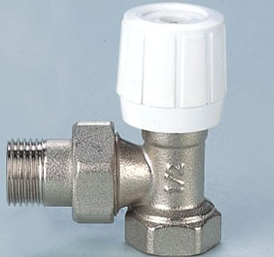
Angle Valves
Source premium angle valves from vetted manufacturers and wholesale suppliers in China and Asia. Designed for importers, plumbing distributors, and brands requiring OEM or private-label production, our network delivers reliable bulk manufacturing, rigorous quality control, and competitive pricing for commercial and residential applications.
Angle valves are foundational components in residential and commercial plumbing networks, acting as the critical shut-off point for fixtures like sinks, toilets, and washing machines. Sourcing these in volume requires strict attention to material composition, thread standards, and cartridge durability. Because a failure in a single valve can lead to catastrophic water damage, relying on unverified suppliers is a high-risk strategy. Successful procurement demands tight specification management and rigorous oversight on the factory floor.
Core Specifications and Material Selection
The longevity and safety of an angle valve depend entirely on the raw materials used in the valve body and the internal cartridge. Buyers must specify exactly what they expect, as factories will default to the most cost-effective materials if left unguided.
- Valve Body Material: Forged brass is the industry standard. However, brass comes in many grades. For potable water applications, especially in North America and Europe, you must specify low-lead or lead-free brass (such as CW511L or DZR brass) to meet local regulations. Zinc alloy is a cheaper alternative often pushed by low-end factories, but it is highly susceptible to corrosion and cracking under pressure.
- Internal Cartridges: The heart of the valve is the cartridge. Ceramic disc cartridges are preferred for quarter-turn valves due to their wear resistance and smooth operation over thousands of cycles. Ensure the factory uses high-alumina ceramic discs and specifies the lifecycle rating (typically 500,000 cycles).
- Thread Standards: Precision in CNC machining is non-negotiable. You must dictate the correct thread standard for your target market—NPT for North America, or BSP (G-thread) for Europe and much of Asia. Mismatched threads lead to leaks and total product failure in the field.
Navigating regional plumbing codes and material standards? Let us connect you with vetted manufacturers equipped to meet your exact market requirements.
Talk to our team| Material Base | Corrosion Resistance | Cost Profile | Primary Application |
|---|---|---|---|
| Forged Brass (CW617N) | High | Moderate to Premium | Standard residential & commercial |
| Lead-Free Brass | High | Premium | Potable water (Regulated markets) |
| Zinc Alloy | Low (Prone to pitting) | Economy | Non-potable, budget markets |
| Stainless Steel (304) | Maximum | High | Exposed fixtures, industrial |
Manufacturing Tolerances and Plating Quality
Beyond the raw material, the manufacturing process determines the final fit and finish. Machining tolerances dictate how well the valve seals, while the surface treatment protects the metal and provides the desired aesthetic.
When conducting factory audits, it is crucial to evaluate the manufacturer's machining capabilities. High-quality suppliers utilize multi-axis CNC machines rather than older manual lathes, ensuring thread pitch and depth are perfectly consistent across batches.
Surface finishing is another common area where corners are cut. For chrome-plated valves, the thickness of the underlying nickel layer and the top chrome layer must be specified. A standard specification for durable finish is 5 to 8 micrometers of nickel and 0.15 to 0.25 micrometers of chrome. Inferior plating will peel or blister within months of installation.
Quality Control Checkpoints
Catching defects before they leave the factory is critical. Implementing comprehensive quality control & inspection protocols ensures your shipment meets your technical specifications.
Essential Angle Valve QC Checks
- Material composition analysis (Spectrometer testing for lead and copper content).
- Hydrostatic pressure testing (typically tested at 1.0 to 1.6 MPa to ensure zero leakage).
- Thread gauge inspection (Go/No-Go gauges for NPT/BSP accuracy).
- Salt spray testing (24 to 96 hours depending on the specified finish durability).
- Cartridge torque testing (verifying smooth operation without excessive resistance).
Buying Mechanics: MOQ, Lead Times, and Pricing
The plumbing hardware sector in China is heavily regionalized. Wenzhou and Taizhou (Zhejiang province) are massive hubs for volume production, offering highly competitive pricing for standard brass and zinc valves. Kaiping (Guangdong province) is generally recognized for premium, heavy-brass fixtures and superior plating quality.
- Minimum Order Quantities (MOQs): Standard MOQs typically range from 1,000 to 3,000 pieces per SKU. If you are utilizing OEM/ODM services for custom handle designs or proprietary finishes (like matte black or brushed gold), expect MOQs to start at 3,000 pieces to justify the tooling and plating batch setups.
- Lead Times: Standard production runs require 30 to 45 days. New tooling for custom designs will add 15 to 25 days to the initial order.
- Pricing Drivers: Price is directly tied to the weight of the brass body, the grade of the internal cartridge, and the thickness of the electroplating. Always evaluate quotes based on the specified weight of the valve; a cheaper quote often means a dangerously thin valve wall.
Need to lock in production capacity and negotiate favorable terms? Our sourcing experts manage the entire procurement cycle from factory selection to final shipment.
Get a free consultationFrequently Asked Questions
Sourcing angle valves in bulk is an exercise in risk management. The margin for error in plumbing hardware is zero. By partnering with experienced sourcing professionals, you ensure that every specification—from the brass alloy to the thread pitch—is strictly enforced, protecting your brand reputation and your bottom line.
Get Sourcing Help for Angle Valves
Tell us your requirements and our experts will connect you with verified manufacturers.